Computer Recycling Houston: Professional Computer Recycling Services in Houston for Businesses
Ways Electronics Recycling Can Enable Businesses Become Environmentally Friendly: Green Practices for Corporate Entities
Electronics recycling opens a significant gateway for corporations pursuing to enhance their sustainability programs. By overseeing e-waste properly, companies can cut their environmental consequences and recover valuable commodities. Additionally, adopting these techniques can improve corporate reputation with conscious patrons. However, several organizations may overlook the complexities involved in implementing a productive recycling system. Understanding these nuances is crucial for steering the trajectory to sustainable enterprises and realizing long-term benefits.
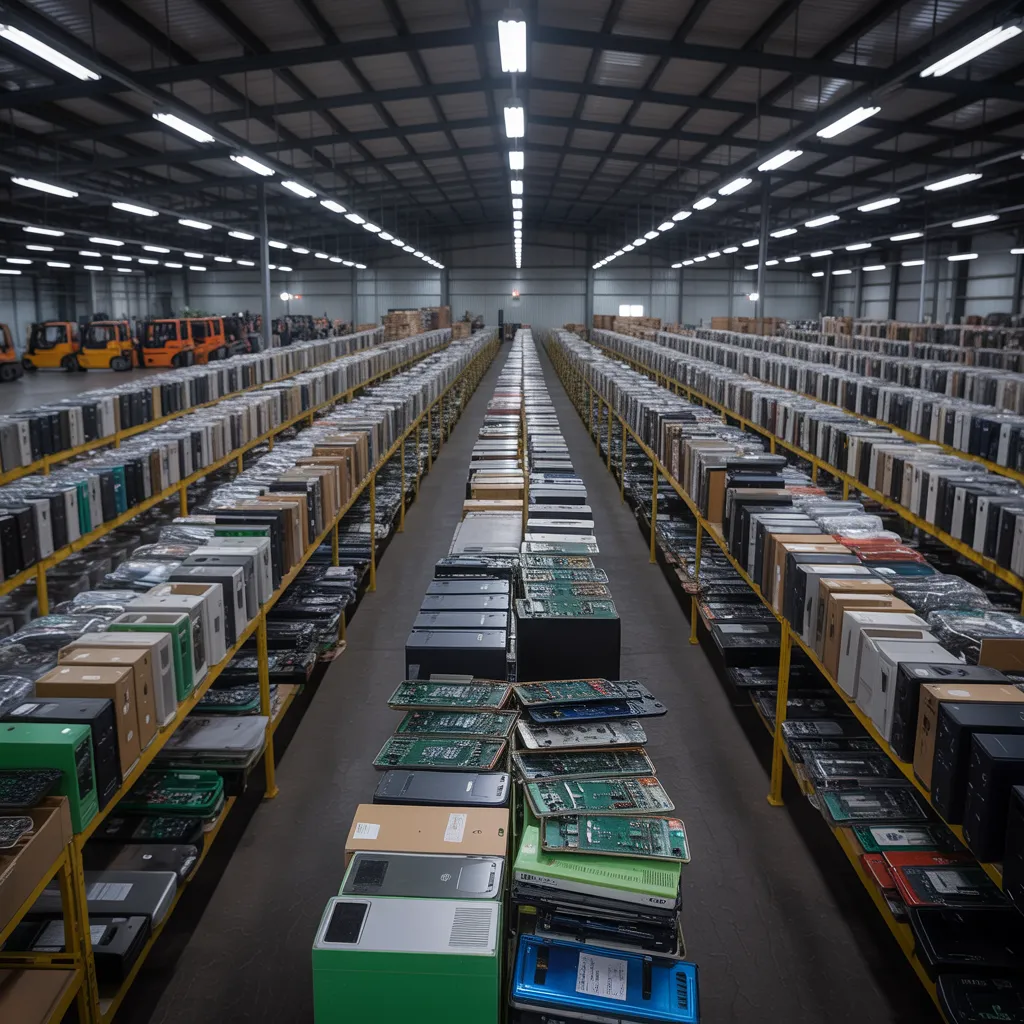
Why Electronic Devices Recycling Matters for Enterprises
Although many companies may underestimate the importance of electronics recycling, it serves as an essential factor in supporting sustainability and reducing environmental impact. As technological progress quickens, companies regularly refresh their electronic systems, resulting in a increasing volume of e-waste. Proper recycling ensures that precious resources are recovered, limiting the requirement for new resource sourcing important resource and saving energy.
Furthermore, taking part in electronics recycling can enhance a company's credibility. Consumers increasingly support businesses committed to sustainable practices, and displaying responsibility in managing e-waste can appeal to environmentally minded customers. Compliance with regulations regarding electronic waste also shields businesses from potential legal liabilities and fines.
In addition, resource recovery can offer cost savings. By ethically handling outdated electronics, companies can minimize waste disposal fees and capture financial value from recyclable materials. Overall, championing electronics recycling is not merely an ethical choice; it is a informed business decision that promotes modern sustainability goals.
Electronics Reprocessing Decreases Environmental Impact
Electronics recycling plays an essential role in lowering environmental effects by safeguarding natural resources and decreasing e-waste contamination. By extracting important materials, this approach supports the promotion of circular economy principles. As enterprises engage in responsible recycling, they participate to a more sustainable future.
Protecting Natural Resources
Recycling electronics greatly aids the conservation of natural resources by reclaiming precious materials. Many electronic devices contain valuable metals such as gold, silver, and palladium, which can be extracted and reused. This process reduces the need for mining, a resource-intensive activity that drains ecosystems and consumes considerable energy. Additionally, recycling helps recover rare earth elements crucial to manufacturing new technologies. By diverting electronic waste from landfills, businesses not only lessen the environmental impact of resource extraction but also promote a circular economy. This sustainable practice allows companies to cut their carbon footprint, lower production costs, and support environmental stewardship, ultimately fostering a healthier planet for future generations. Through responsible recycling, businesses can lead the way in protecting crucial natural resources.
Cutting E-Waste Pollution
A major part of global waste includes electronic devices, resulting in escalating environmental pollution. Incorrect e-waste disposal introduces dangerous materials like heavy metals and toxins, polluting soil and water supplies. Recycling electronics mitigates these risks through the safe and responsible processing of harmful components. By repurposing materials like metals, plastics, and glass, recycling decreases the demand for new resource extraction, further limiting environmental harm. Recycling schemes also assist in the responsible disposal of obsolete devices, enabling businesses to meet environmental rules. Companies that participate in electronics recycling decrease their carbon footprint and foster a healthier environment. This proactive approach shows corporate responsibility while tackling the pressing issue of e-waste pollution effectively.
Promoting Circular Economy Methods
Adopting accountable electronics waste management initiatives serves as a crucial component in advancing sustainable economic models. By processing electronic waste, enterprises can markedly lower the requirement for virgin materials, thus protecting environmental capital and curtailing ecological damage. This approach supports the restoration of important components, extending the operational duration of products and cutting down the quantity of electronic waste placed in waste sites. Moreover, by embracing circular economy principles, firms can strengthen their corporate reputation and respond to consumer expectations for green practices. Prioritizing conscientious recycling additionally catalyzes creativity in product engineering, prompting suppliers to manufacture equipment that are simpler to take apart and recycle. In conclusion, incorporating electronics recycling into business operations aids in creating a more environmentally conscious future, supporting both the natural world and the economy.
Main Advantages of Electronics Recycling for Businesses
Electronics reprocessing provides major benefits for organizations, chiefly through cost savings and environmental impact reduction. By properly handling outdated equipment, firms can lower waste fees and recover essential resources. Additionally, embracing waste management solutions strengthens organizational ethics and promotes green initiatives.
Cost Reduction Possibilities
Many businesses are identifying significant savings through effective e-waste recycling initiatives. By introducing these programs, companies can cut disposal fees associated with e-waste, as recycling often costs less than landfill disposal. Additionally, valuable materials recovered from outdated electronics can be resold, yielding revenue and compensating for replacement costs. Streamlined recycling approaches also lower storage costs for aged equipment, opening valuable office space. Furthermore, many organizations enjoy from tax incentives related to sustainable practices, adding another layer of financial advantage. Overall, adopting electronics recycling not only promotes corporate responsibility but also fosters economic efficiency, enabling businesses to allocate resources more wisely and improve their bottom line.
Environmental Impact Decrease
A considerable decrease in ecological impact is one of the fundamental advantages organizations receive when they establish comprehensive electronics waste management. By recovering useful equipment, institutions can limit toxic debris, such as hazardous compounds and noxious waste, that can infiltrate soil and water bodies. This not only plays a role in protecting environmental resources but also minimizes the emissions footprint stemming from constructing new devices. Additionally, handling conserves electrical power, as it often requires minimal electricity to work with reclaimed materials than to extract and treat untreated raw materials. As institutions roll out these approaches, they build sustainable economic systems, fostering environmental stewardship and preservation. Ultimately, ethical recycling practices enables organizations to bolster environmental standing while serving the environment.
How to Establish a Thriving Electronics Recycling Approach
Forming a thriving tech waste recycling framework calls for careful strategizing and carrying out. Enterprises should undertake by evaluating their operational e-waste management operations to recognize areas for improvement. This examination should include an accounting of outmoded units and an appraisal of disposal methods.
To begin, organizations are obligated to set clear goals for their green programs, which could feature minimizing waste creation, raising recycling achievements, or promoting sustainability efforts. Engaging the workforce through training programs fosters a culture of environmental consciousness and reinforces commitment in sustainability activities.
Additionally, developing a timeline and budget is crucial for monitoring progress and guaranteeing resources are allocated effectively. Regularly reviewing and revising the strategy based on suggestions and evolving regulations helps maintain compliance and effectiveness. By integrating these elements, companies can develop a strong electronics recycling strategy that not only helps the environment but also supports corporate accountability and improves their sustainable image.
Strategies to Determine the Best E-waste Reclamation Collaborator
How might a organization ensure that its electronics recycling service provider meets its sustainability goals? Choosing the suitable recycling partner requires detailed evaluation of their practices and qualifications. Businesses should identify partners who hold certified credentials, such as R2 or e-Stewards, which establish adherence with environmental standards.
Furthermore, businesses should inquire about the partner recycling processes, including the approaches for managing dangerous waste and the percentage of recycled content compared to those deposited in landfills. Openness in data reporting and management processes is also crucial.
In addition, a strong standing in the industry can demonstrate reliability; businesses may gain advantages from customer feedback and recommendations from other clients. Engaging in transparent dialogue about environmental objectives will help guarantee alignment. Ultimately, choosing a partner dedicated to responsible waste management can greatly enhance a corporation's overall green initiatives.
Refuting Typical Myths About Electronics Reuse
While many companies acknowledge the importance of electronics recycling, various myths continue that can obstruct efficient practices. One frequent misconception is that all electronics can be placed in standard recycling bins. In fact, specific facilities must be used to handle electronic waste safely. Another myth suggests that recycling electronics is too costly for businesses. However, a variety of recycling programs supply free or low-cost services that can ultimately save companies money by lowering waste disposal fees. Moreover, some consider that data security concerns make recycling too risky. Still, reputable recycling partners provide certified data destruction services, making certain sensitive information is safely handled. Finally, there is a thought that recycling electronics has a small environmental impact. In truth, proper recycling considerably reduces e-waste in landfills and saves valuable resources. Debunking these myths is essential for businesses aiming to follow sustainable practices and support the environment.
Tracking Your Electronics Recycling Success
Organizations that effectively debunk misconceptions about electronics recycling often find themselves enthusiastic to evaluate their progress. Monitoring KPIs is vital for evaluating the impact of recycling initiatives. Metrics such as the volume of e-waste recycled, the percentage of materials reclaimed, and cost savings can provide useful perspectives.
Additionally, businesses should assess their greenhouse gas emissions decrease and compliance with eco-friendly standards. Engaging employees through educational initiatives can also be measured by participation rates in recycling programs.
Including customer comments can further enhance awareness regarding the recycling program's influence. Consistent inspections and reporting on these data points not only underscore accomplishments but also discover areas for improvement.
In the end, a well-organized approach to tracking electronics recycling success empowers businesses to make data-driven decisions, promoting a culture of sustainability that serves both the environment and the organization.
Frequently Inquired Subjects
What Categories of Electronics Can Be Recycled?
A wide range of electronic equipment are recyclable, including computers, smartphones, tablets, televisions, printers, and gaming consoles. These items frequently contain valuable materials that can be reused, minimizing waste and supporting environmental sustainability.
How Often Should Businesses Recycle Their Electrical Equipment?
Companies should recycle their electronics minimally once yearly, or more frequently in accordance with technological upgrades and equipment turnover. Routine recycling efforts assures effective resource stewardship and compliance with sustainability requirements, fostering environmental stewardship throughout the business.
Do Electronics Recycling Programs Have Related Costs?
Yes, there are expenses tied to electronics reuse, encompassing gathering, transportation, and processing charges. However, these expenses can be offset by potential reductions from minimized waste disposal and adherence to environmental regulations.
May Recycling Electronics Result in Data Confidentiality Risks?
Yes, recycling electronics can pose security concerns if proper procedures are not observed. Private data may be unintentionally exposed during the electronic disposal, stressing the importance of secure data destruction approaches before discarding.
What Credentials Must a Recycling Partner Maintain?
A trustworthy waste processor should hold credentials such as R2, e-Stewards, and ISO 14001. These credentials ensure compliance with ecological guidelines, cybersecurity practices, and sustainable waste management, preserving both the nature and sensitive information.